Misool's Jellyfish Lake:
A Living Jewel in Raja Ampat’s Crown
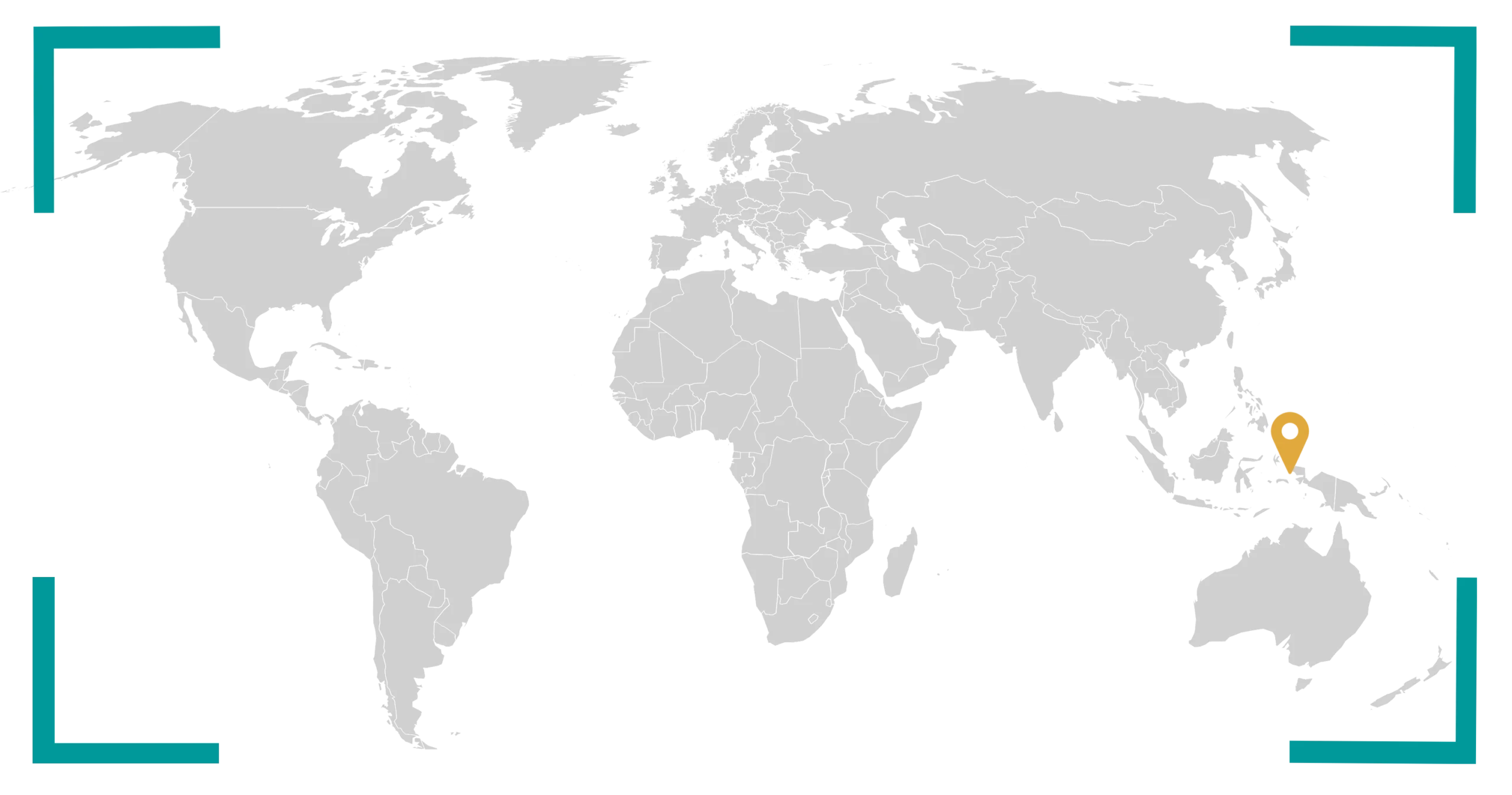
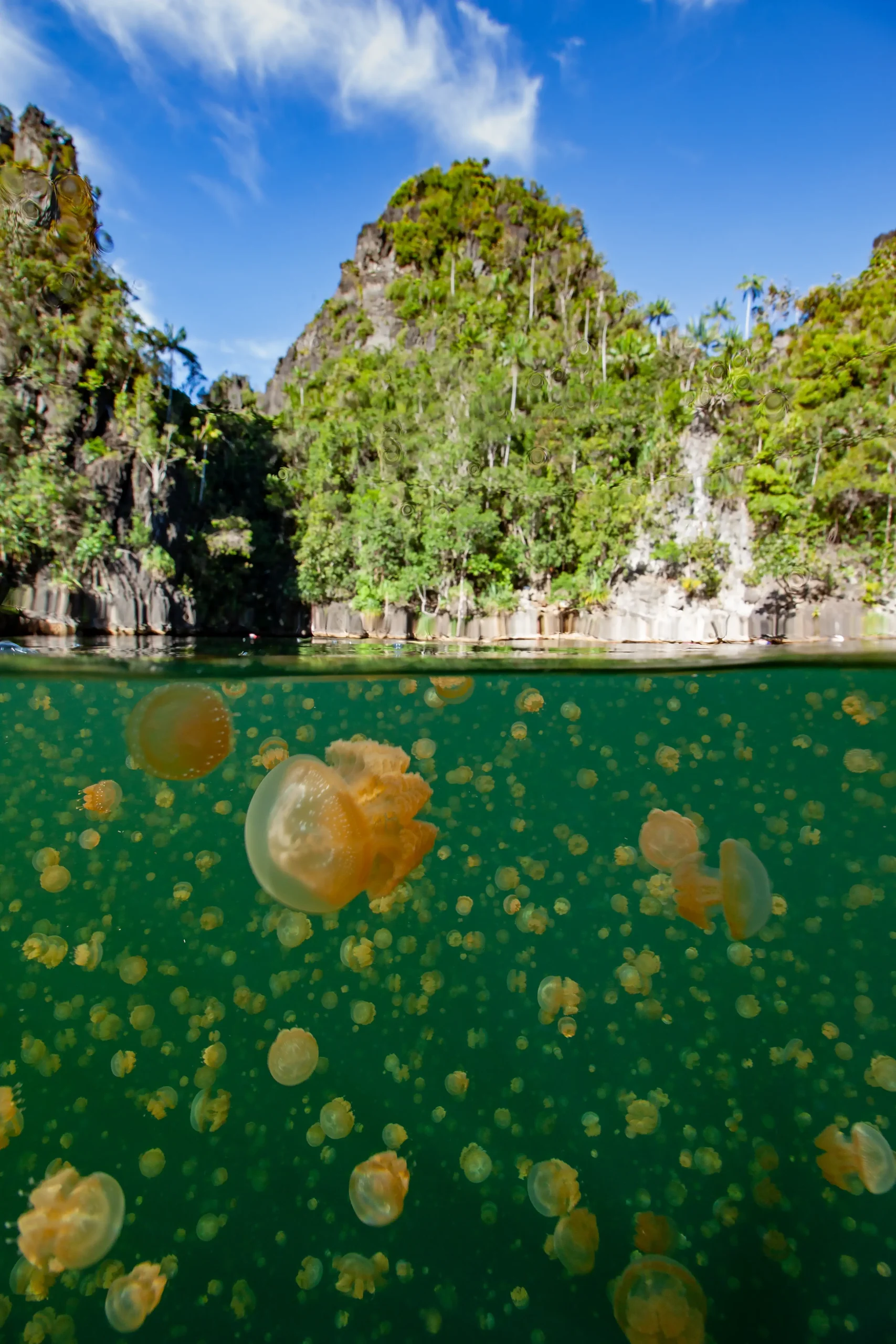
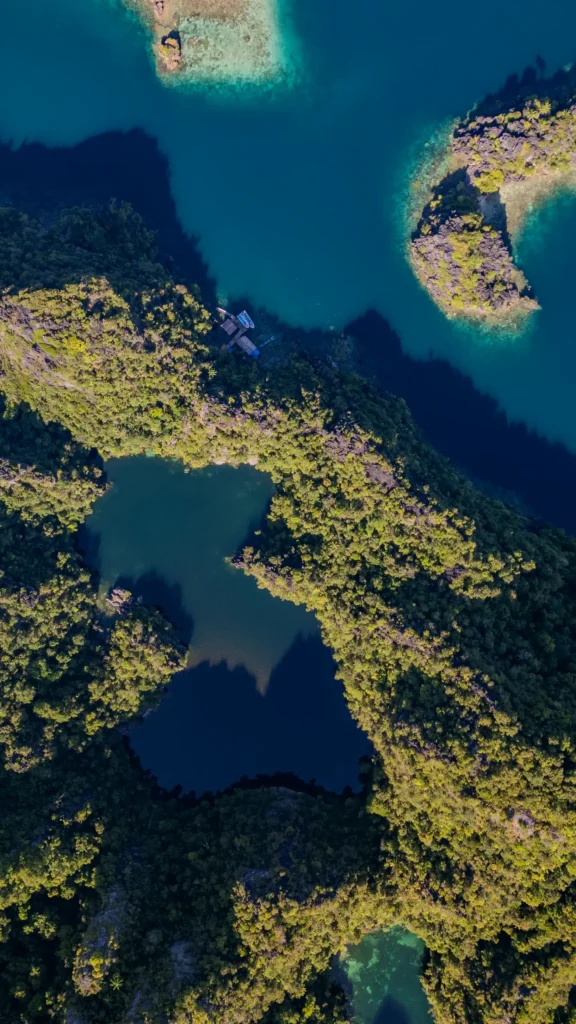
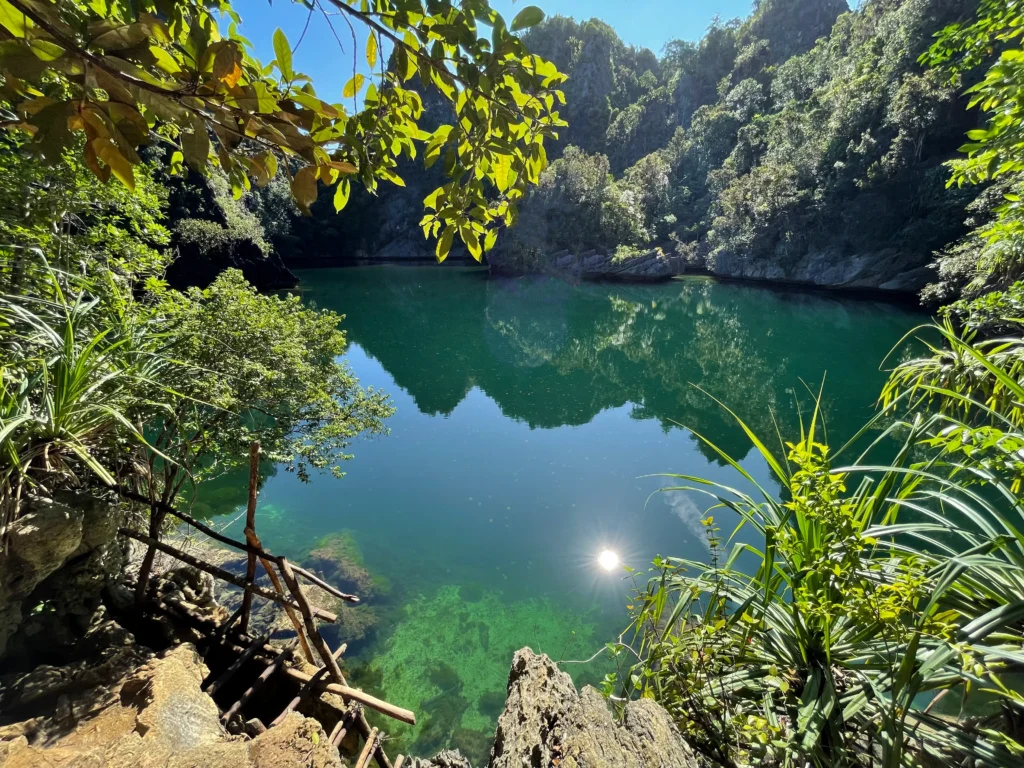
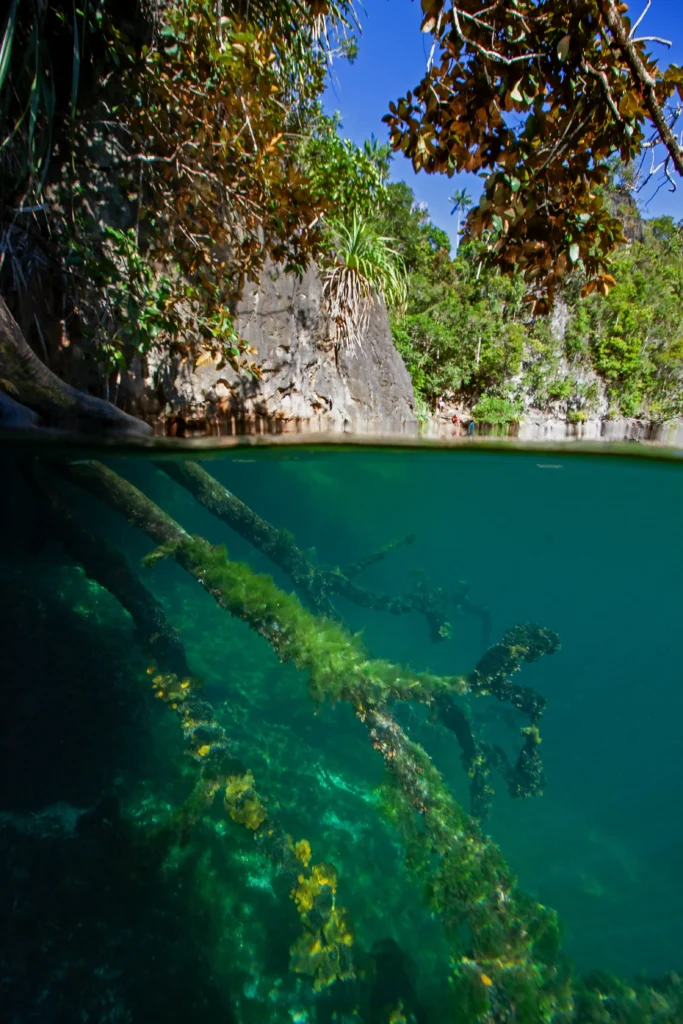
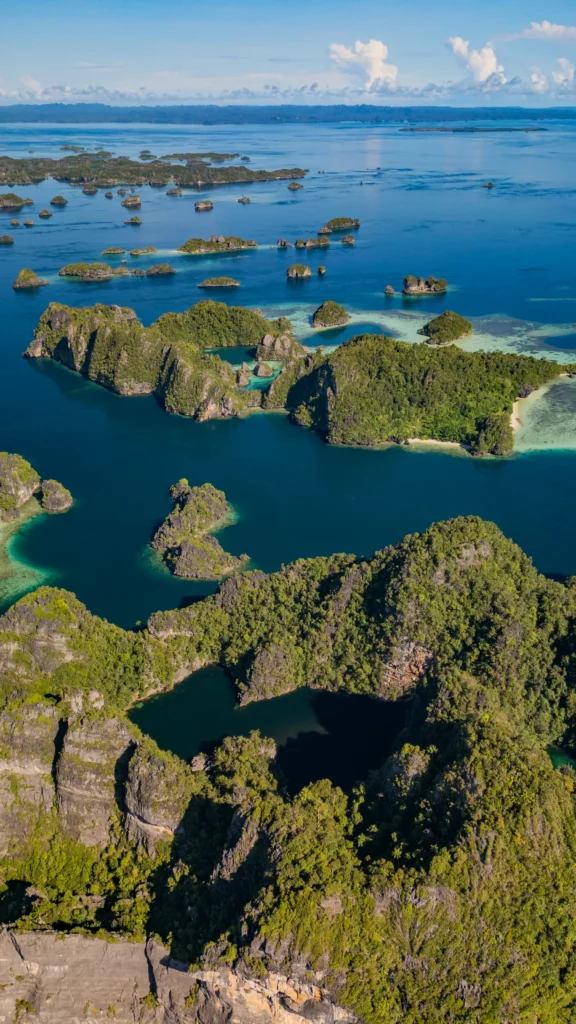
Far from the ordinary tourist trail, in the remote archipelago of Misool in Raja Ampat, Indonesia, lies a secret that feels as if the sea herself penned it: Lenmakana Jellyfish Lake. Surrounded by emerald karst forests and framed by jade-green hills, this saltwater lagoon is a silent world apart – an aquatic amphitheater where graceful jellyfish dance just beneath the surface.
Misool itself is a place where the ocean writes poetry in color and life. Part of the greater Raja Ampat region, it sits within the “Coral Triangle,” a marine realm with the highest coral and fish biodiversity on Earth. Here, the water doesn’t merely reflect the sky; it cradles an intertwined tapestry of life that seems to pulse with every beat of a passing manta ray’s wing.
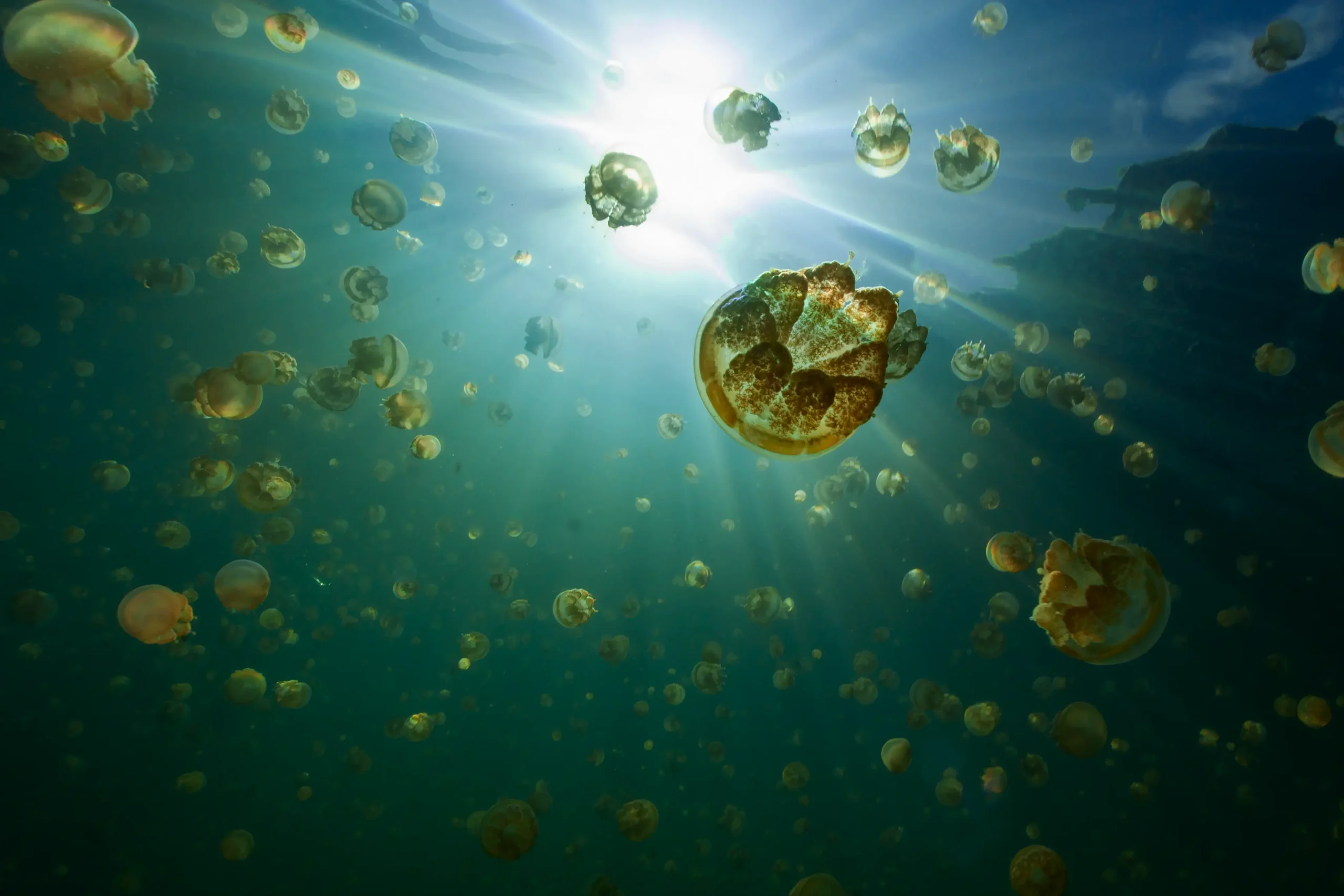
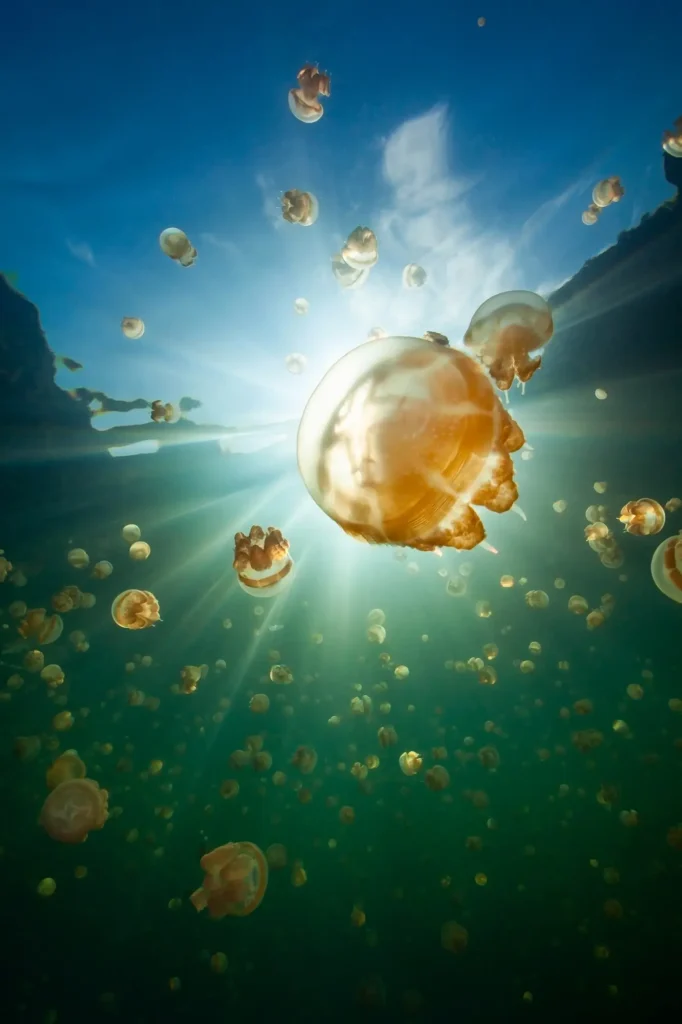
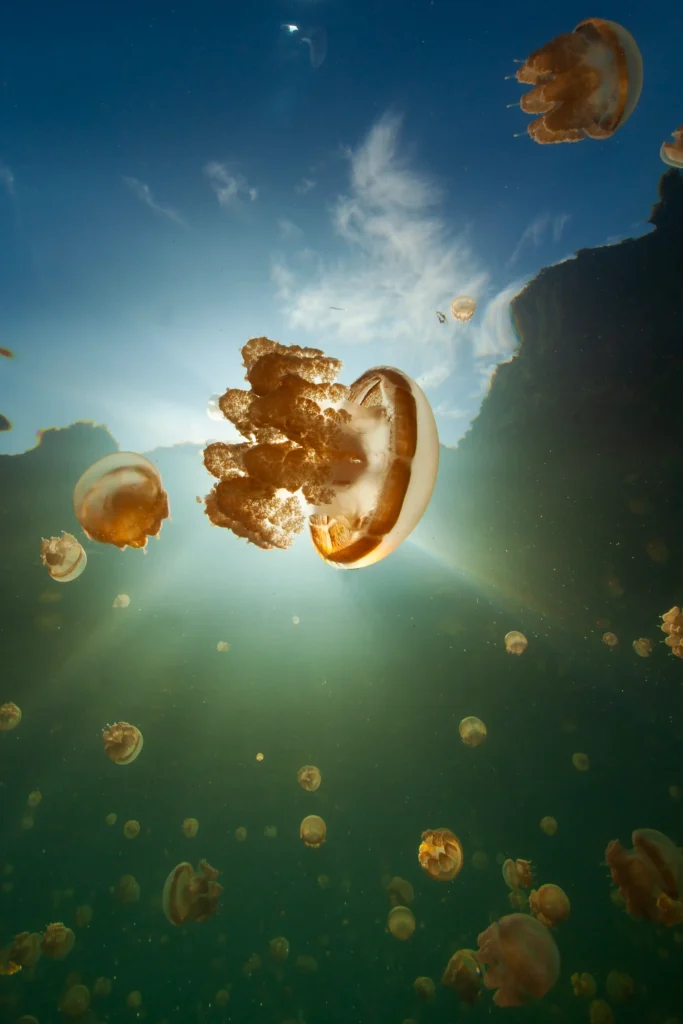
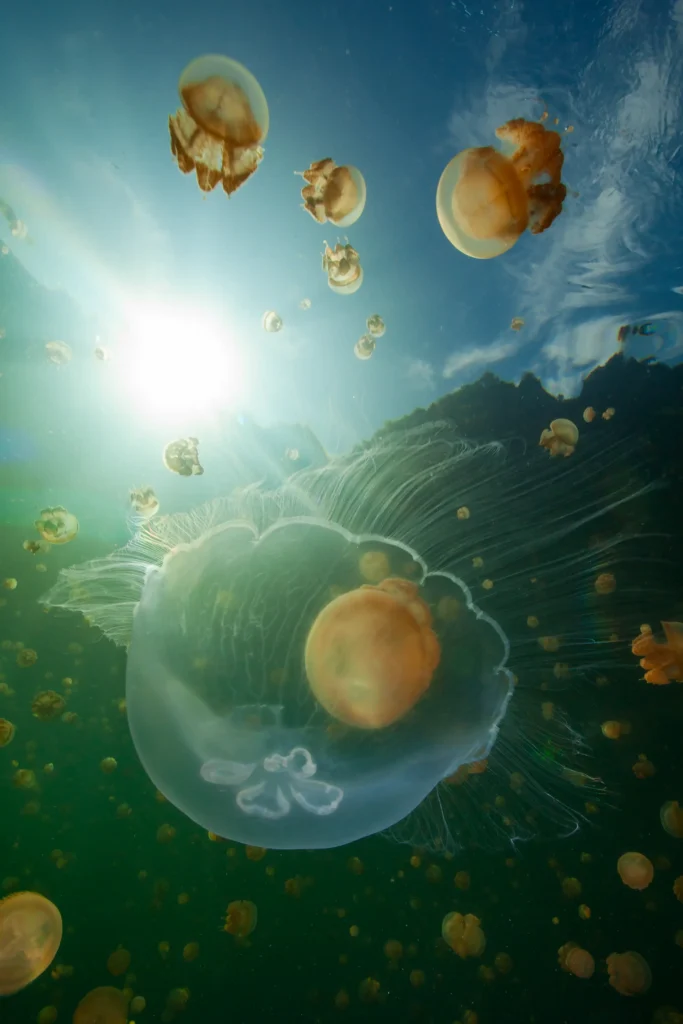
Millions of stingless jellyfish swim through the calm waters
A Lake Unlike Any Other
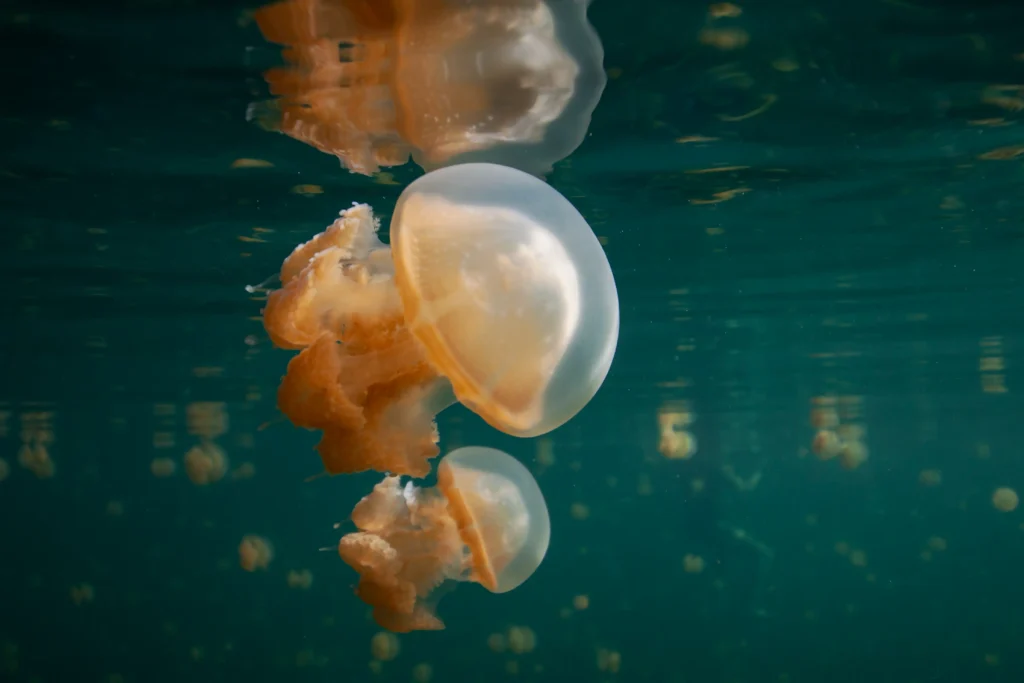
Jellyfish lakes are rare geological phenomena. What makes Lenmakana special is its population of millions of stingless jellyfish. Over generations, isolated from the broader ocean, species such as Mastigias papua and other local jellyfish have shed their stingers – an evolutionary curiosity born of a predator-free sanctuary. The result is a gentle ballet of translucent, drifting bodies that tempt even the most hesitant swimmers to enter their ranks.
The lake’s waters are warm and limpid, free from muddy sediment, allowing clear views of the jellyfish pulse and glide in the sunlit shallows. It’s a living kaleidoscope that invites quiet wonder, not wild splashes.
Strict Rules are in place
Lenmakana’s beauty is fragile, and the local communities and conservation bodies treat it as such. To protect the delicate ecosystem, visitors are expected to follow strict guidelines designed to keep both the jellyfish and their environment healthy:
• No touching the jellyfish or disturbing them with hands, fins, or flippers. Even though these creatures don’t sting, their gelatinous bodies are extremely delicate and easily damaged.
• No sunscreen allowed at all. UV-protective clothing is recommended. Sunscreens contain chemicals that can harm marine life and upset the lake’s balance.
• No feeding or littering. Leave only bubbles in the water and take everything else back with you. Even urinating in the lake is not allowed.
• Enter gently. Big splashes and rough entries create waves that stir up sediment or stress the jellyfish; slow, horizontal swimming is encouraged. To keep waves to a minimum, the amount of snorkelers at the same time is limited.
These rules are not arbitrary – they are a pact between humans and nature, forged to ensure this delicate world continues for future generations.
The Journey and Setting
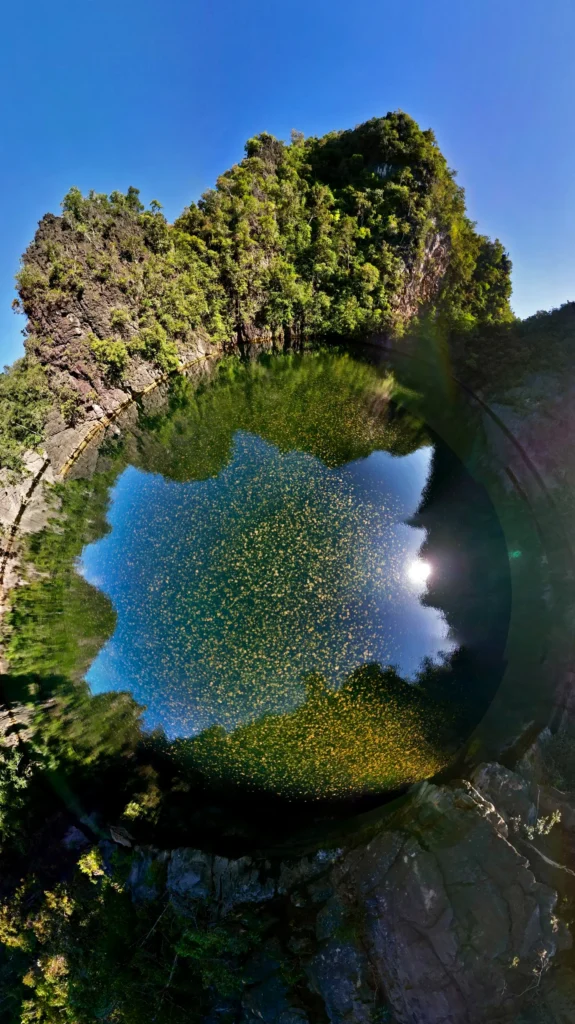
Reaching the lake is an adventure in itself. There’s a modest uphill trek across limestone terrain before the trail opens onto a tranquil basin where the water shimmers like cut glass. From here, the hike descends to the lake’s edge, where towering trees reflect in still water and only the gentle movement of jellyfish breaks the surface. At the lake itselft there is a small wooden ladder leading to the water. Space is very limited, which you have to keep in mind when going there in groups. It is recommended to be there in the morning, when the sun just reaches the lakes surface. Once the sun heats the water, the jellyfish hide to the shady areas or to the deep. It happens regularly when the water becomes to warm that most of the jellyfish die. Then it takes a few months again for the remaining individuals to reproduce.
Why Conservation Matters
Because these isolated marine lakes are so rare – only a handful are known worldwide – their health has both ecological and scientific importance. A growing number of conservation initiatives in Raja Ampat, from marine protected areas to community-led patrols, seek to safeguard not just the jellyfish, but the entire web of life that radiates out from these crystalline waters.
By respecting the rules, visitors become part of a larger story: one of stewardship, respect, and humility before the silent wisdom of the sea.
One of my photos of this jellyfish lake won the 2025 photo competition of the Royal Society of Biology. Theme of the competition was “Restoring Biodiversity and Habitat”.